
Sony’s RGB TVs Bring More Color and Brightness Home
Find Out What Sets the Bravia 9 II and Bravia 7 II Apart
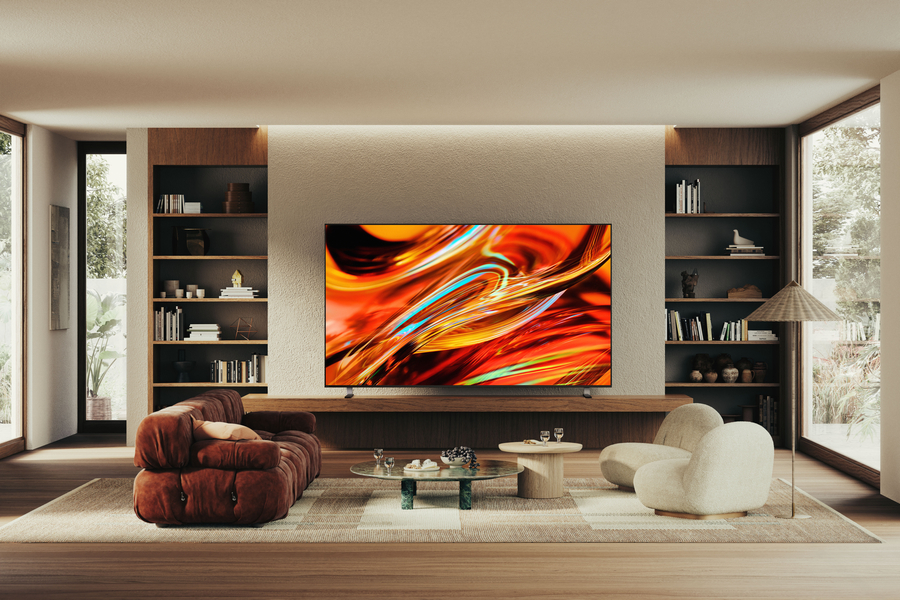
Sony's new RGB TVs go after a limit most screens share: the backlight caps how much color the picture can show. A standard Mini LED set lights the screen with blue or white LEDs and relies on other layers to create red and green, so colors can look slightly diluted, especially in a Portland-area living room with big windows.
The 2026 Bravia 9 II and Bravia 7 II change the backlight itself. Their True RGB design places separate RGB LEDs behind the screen and controls each one individually, so you get more color and more punch than the TV you bought five years ago.
Encore started as a Sony retailer in 1981, so we pay close attention when the brand changes its approach. If a new screen is on your list before the holidays, keep reading to see what changed and which model suits your room.
MORE ON HOME THEATER: What Makes a Home Theater Feel Cinematic?
How True RGB Builds a Better Picture
A standard Mini LED TV starts with a blue or white backlight, then converts that light into the other colors the screen needs. True RGB skips much of that conversion. RGB is short for red, green, and blue, and Sony arranges clusters of those LEDs behind the panel and drives each cluster on its own, so the TV can mix the exact color a scene calls for before the light reaches your eyes.
Sony adds sensing that tracks how its LEDs perform in real time and adjusts brightness and color tone accordingly. For you, that means a red jersey in the fourth quarter or a sunset in a nature documentary stays vivid as the scene gets brighter. Sony also says the RGB backlight reduces blooming, the halo that can appear around a bright object on a dark background, which you notice most in night scenes.
Bravia 9 II or Bravia 7 II Complement Any Room
Both models use the same True RGB approach. The choice comes down to size and performance level. The Bravia 9 II is Sony's 2026 flagship and is available in sizes up to 115 inches. The Bravia 7 II brings True RGB to a wider range of rooms, with sizes from 50 to 98 inches.
Your room matters as much as the model. Both sets add an anti-reflective screen treatment aimed at bright spaces, which helps in a family room where afternoon light hits the screen. A dedicated theater suits the flagship, while a main living area with plenty of windows is a natural home for the 7 II. If you are unsure which room deserves the bigger investment, a conversation with an integrator before you buy usually settles it quickly.
Make the TV Part of a Whole-Home Experience
A great screen looks its best when it is integrated into the rest of your technology ecosystem, not pieced together. With a Control4 system, one touch can turn on the TV and sound system and set the lights and shades for the show. Everyone in the family uses the same simple control, and a guest never has to learn a confusing second remote.
Great audio deserves the same attention, because TV speakers were never built to match a picture this good. A well-matched audio/video system will elevate your family’s viewing experience, from a quiet Tuesday movie to a full-house game.
Plan the Setup Before the TV Arrives
A great panel still depends on how it is installed. Out-of-the-box picture settings rarely suit your specific room, so calibration for your lighting and viewing distance makes a visible difference. Mounting height and in-wall power are also much easier to settle before the TV goes on the wall.
You can see how a system comes together in our Portland showroom. If you want the new TV in place for the holidays, starting the conversation now gives time for mounting and calibration, and ensures the picture and sound work great together on day one.
Bring Sony True RGB Home With Encore
If a new TV is on your holiday list, schedule a private showroom consultation to see it for yourself.